
 English
 Deutsch
 Français
 Italiano
 Português
Juego con mascotas
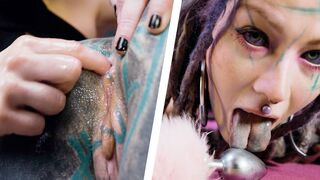









Exploring the World of Pet Play: An In-Depth Look at This Intriguing Fetish
Pet play has become a fun spot in the world of adult fun, attracting fans who wish to mix make-believe, acting out parts, and feeling different things in their close times. This interest, often shown in many types of sexy content, lets people act like animals, leaving behind human wants for a more basic bond. As views on other ways of living change over time, pet play has gotten more attention appealing to those curious about control roles, yielding and silly escape. In this piece we look into the details of pet play looking at its meanings; history roots common acts and culture importance all while stressing the need for consent and safe practices in any related tasks.
Understanding the Basics of Pet Play
At its heart, pet play is about folks acting like animals. This often happens in a fun and adult way. People can pretend to be pets such as cats, dogs, or even ponies and they take part in games that show following rules, learning new things, and love. This type of role-play usually has parts where one person is the "owner" or "handler," helping the "pet" by giving orders, treats, and playful moments. The fun comes from stepping away from daily tasks allowing for a better dive into natural actions which can boost excitement and feelings of closeness
In grown-up fun, pet play scenes are made to show these relationships through sight and story. Makers pay attention to the senses, like the touch of collars, leashes or tails which make the whole thing feel real. The love for this goes beyond just dressing up; it’s about being like the chosen animal from purring as a kitty too fetching like a good doggie. This special area has become more liked because it can change from easy-going fun to stronger power shifts. Fans enjoy how it helps them be creative allowing made-up stories that match their wishes and limits
The Historical Roots and Evolution of Pet Play
Finding the roots of pet play shows a interesting mix of human past, stories, and mind. Old cultures often showed people changing into animals in tales and ceremonies, standing for a link to nature and basic urges. In Greek stories, for example, legends of form-changers and animal mixes pointed to early looks at identity changes. Jump ahead to the Victorian time when parts of animal role-play came up in hidden books and lively shows as a way to push against social rules about sex.
The new form of pet play started to grow in the middle of 20th century inside BDSM groups, shaped by leather culture and the rise of fetish clubs. Early leaders in this field took ideas from horse sports and pet training, changing these into playful actions. By the 1980s and 1990s with arrival of internet, online chat rooms and early adult sites helped spread info, letting people who think alike meet and share their stories. Now in year 2026 pet play has turned more common it is seen in many media forms and backed by a bigger range of items made just for this activity. Its change shows how society now accepts different ways to show closeness moving from forbidden to joyful part of alternative lifestyles.
Key Elements That Define Pet Play Scenarios
Pet play situations are full of signs and useful parts that make the whole fun better. Accessories are key, with things like collars showing belonging and promise, while leashes mean control and help. Tails, ears, and masks let players change how they look and feel, adding to the fun. These items are not just for show; they help to strengthen the roles making the dream seem realer and more enjoyable!
Past the body, pet play focuses on training behavior, where the pet learns to listen to orders through good rewards, like snacks or hugs. This is like real animal training but made for human connection, concentrating on trust and talking. Noticing less or more, like using blindfolds or bumpy toys can make the fun stronger bringing players deep into their beast characters. In grown-up content these parts are shown to spark thrill often showing the difference between human weakness and animal freedom. The events can change from soft cuddles to more set games always based on shared fun and respect for rules.
Diverse Roles and Variations in Pet Play
The charm of pet play is in its variety, giving a range of roles that suit many types of people and likes. Typical examples are the fun puppy, ready for fetch games and tummy scratches, showing loyalty and joy. Kittens, on the other hand, often show freedom with a bit of trickiness, including things like scratching posts or yarn games into scenes. Pony play brings a more active side where players wear harnesses and bits playing at riding or pulling carts which focus on strength and order.
Uncommon types may include magical beasts or untamed creatures, like foxes and wolves, bringing a touch of nature and wild spirit. Some journeys mix animal play with other likes, such as rubber or tying up, making combined experiences that stretch creative limits. In naughty stories, these parts show ideas of power difference, where the owner gives care and order, creating a feeling of safety in the role swap. This range makes sure that pet play stays easy to access and changeable appealing to newbies and old hands too who want to make it fit their special dreams
Prioritizing Safety, Consent, and Communication
No talk of pet play is whole without highlighting the key need for safety and agreement. Taking part in any kind of role play asks for clear talks first to set limits, safe words, and care plans after. Players should chat about body limits, feelings that can cause issues, and health things to make sure it’s a good time. In grown-up fun, good portrayals often have notes or teaching parts that push these ideas, helping watchers get the agreed nature of the content
From a useful view, using good and safe items for tools stops harm, while checking in often during fun keeps feelings healthy. Learning from books, classes or local help can make safety better, showing ways to do proper holding and letting go. Consent is always there, it can be taken back at any moment, and everyone must honor this. By putting these points first pet play can be a satisfying way for self-expression making bonds stronger through trust and openness.
Pet Play's Influence on Popular Culture and Media
Pet play has spread through popular culture, affecting things like clothes and movies. In music clips and fashion shows, animal-themed items such as cat ears or dog collars have turned into cool add-ons, mixing up fetish and common style. TV shows and films sometimes reference these ideas, showing characters in fun animal parts to look at who they are and what they want. Social media sites have boosted its notice, with influencers sharing creative takes that clear up the fetish and push body love.
In writing, steamy books and comic books look into pet play tales, giving readers deep stories that show feelings along with desire. This mixing in culture has lowered shame, showing pet play as a real way for adults to express themselves instead of a odd thing. As media keeps changing, you can look forward to more varied shows that honor differences and inclusiveness in this small area.
Embracing Pet Play in Your Explorations
For people curious about pet play, starting small can bring great finds. Start by looking up trusted places to learn the basics then try out easy role-play parts in a cozy space. Collecting items over time helps make it your own, making sure each piece matches what you like. Meeting others through online chats or get-togethers can give tips and help, creating a sense of community.
In the end, pet play gives a special way to see closeness, mixing dreams with real life in ways that make personal bonds deeper. Whether seen in grown-up fun or tried out for oneself, it asks us to enjoy imagination and human variety. As this interest keeps getting bigger, it shows us the never-ending chances in looking at our wishes safely and happily.
